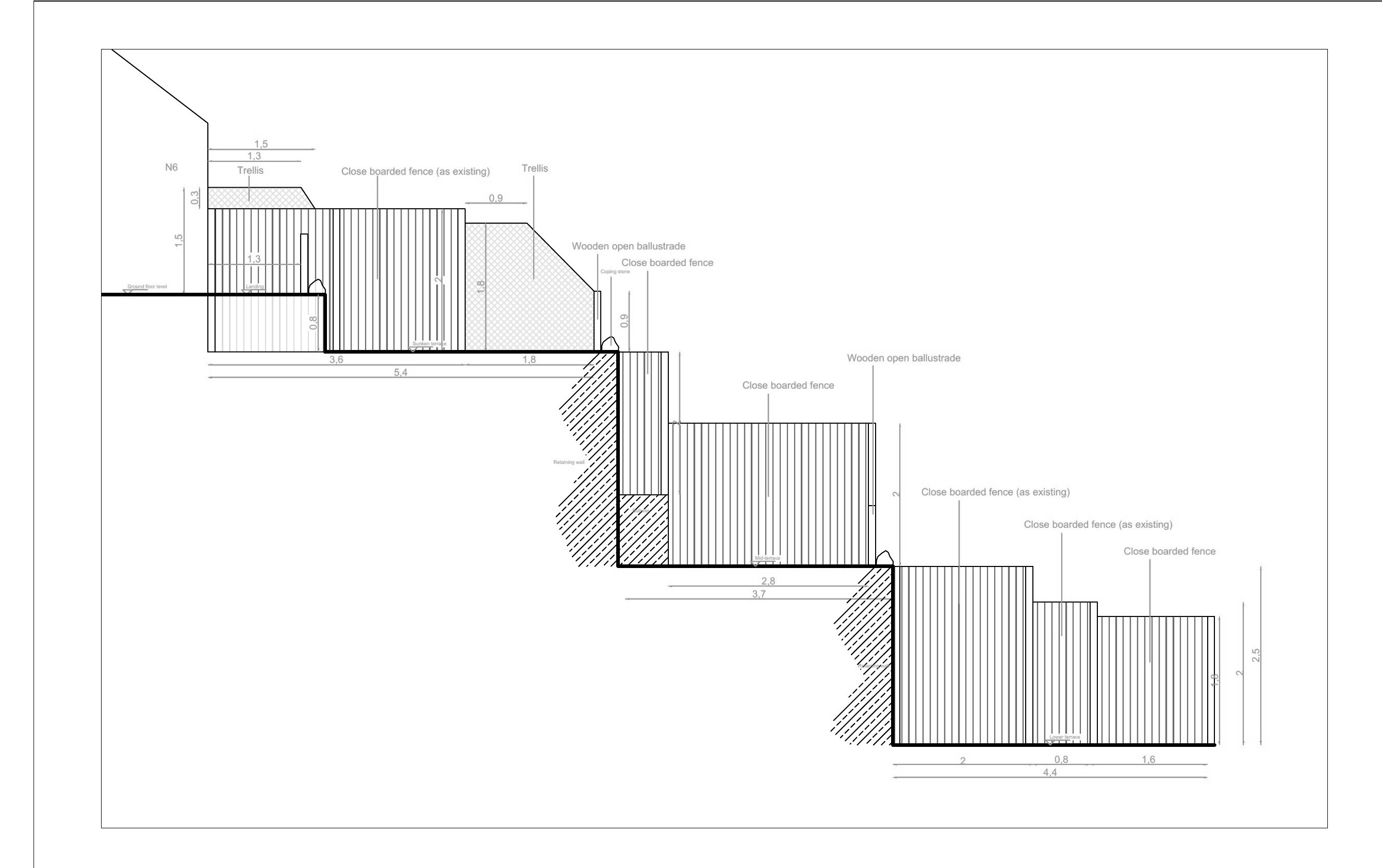
Retaining Walls & Fencing
Terracing works and retaining walls classified as engineering operations. The enforcement officer initially required removal of the upper terrace. Approved as built after a strong design and access statement, despite a neighbour objection.
Read case study →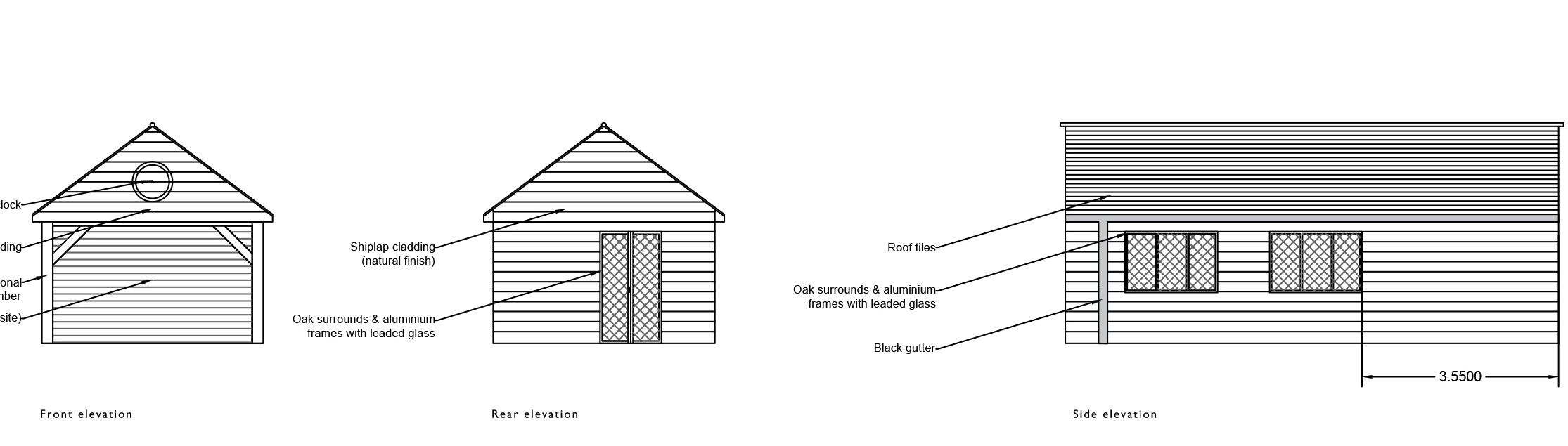
Replacement Garage
A structurally unsafe brick garage demolished and rebuilt in a more traditional gabled form — on a site subject to five separate planning constraints.
Read case study →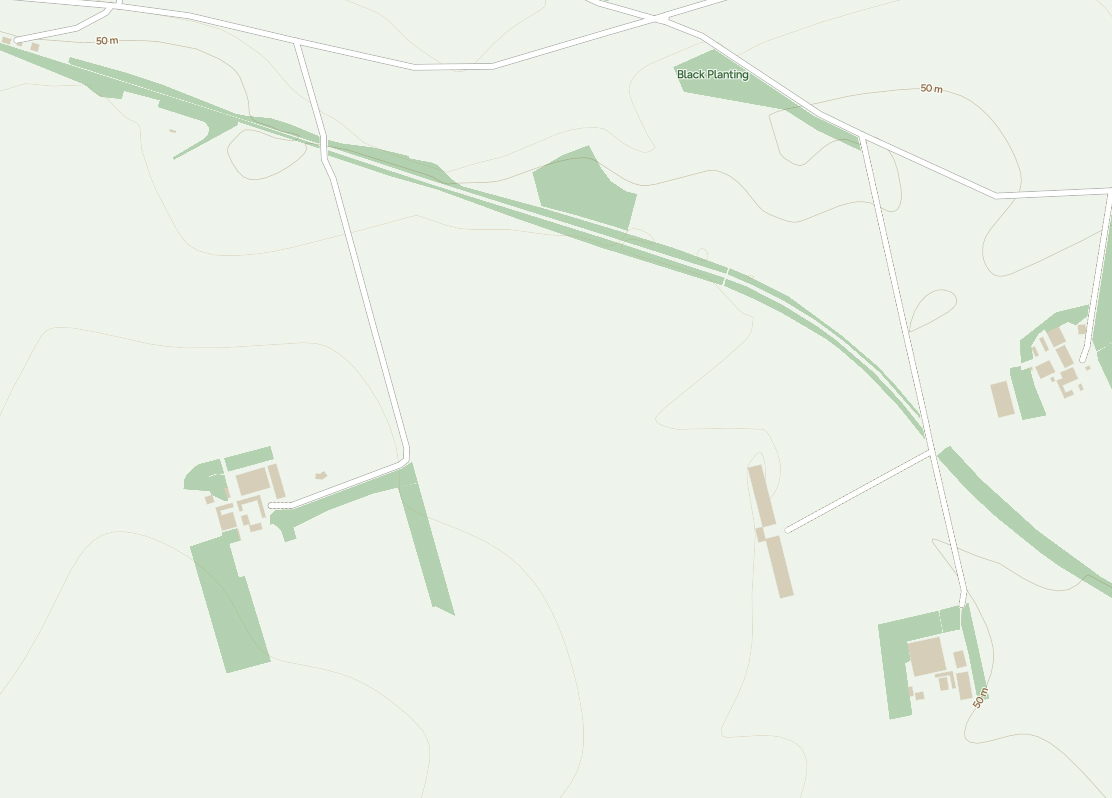
Rural Mixed-Use Development
A barn used for a small rural pet-care business adjacent to a residential dwelling on agricultural land in a National Landscape. Granted retrospective consent on functional need and sensitive design grounds.
Read case study →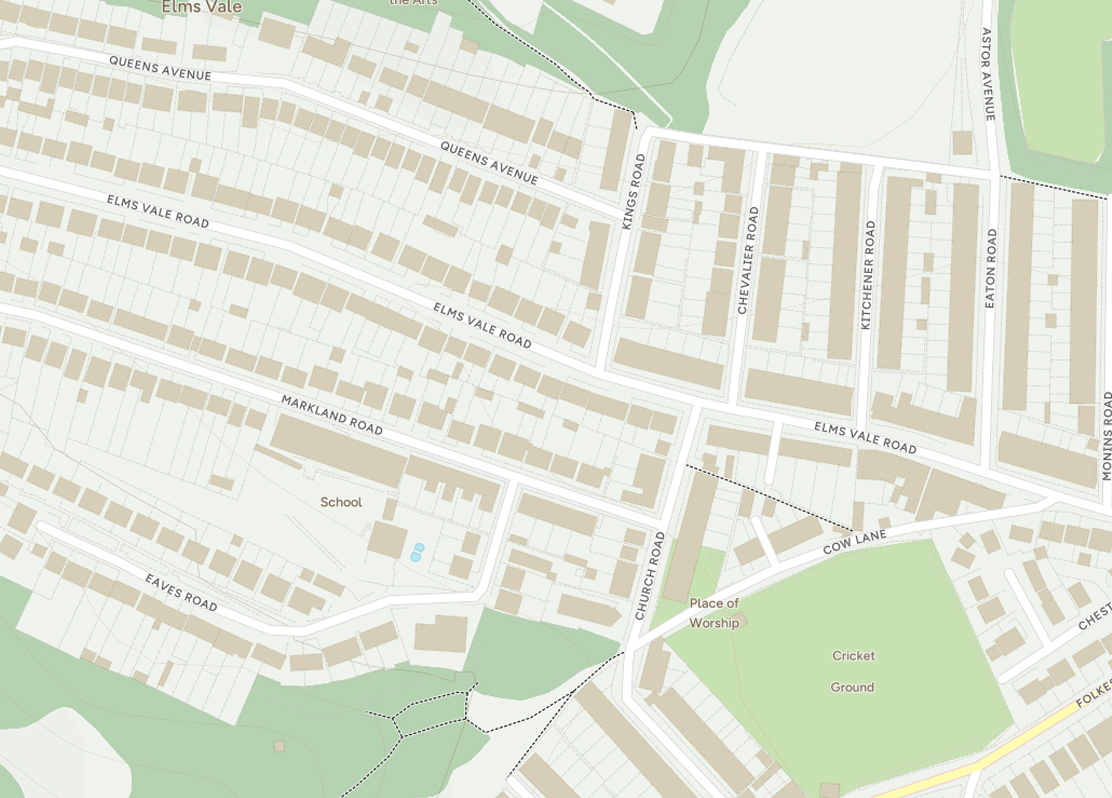
Fence & Curtilage Extension
A 1.8m close-boarded fence repositioned to extend a residential curtilage, on a Flood Zone 3 site adjacent to an unclassified road. Granted retrospective consent on policy and highway safety grounds.
Read case study →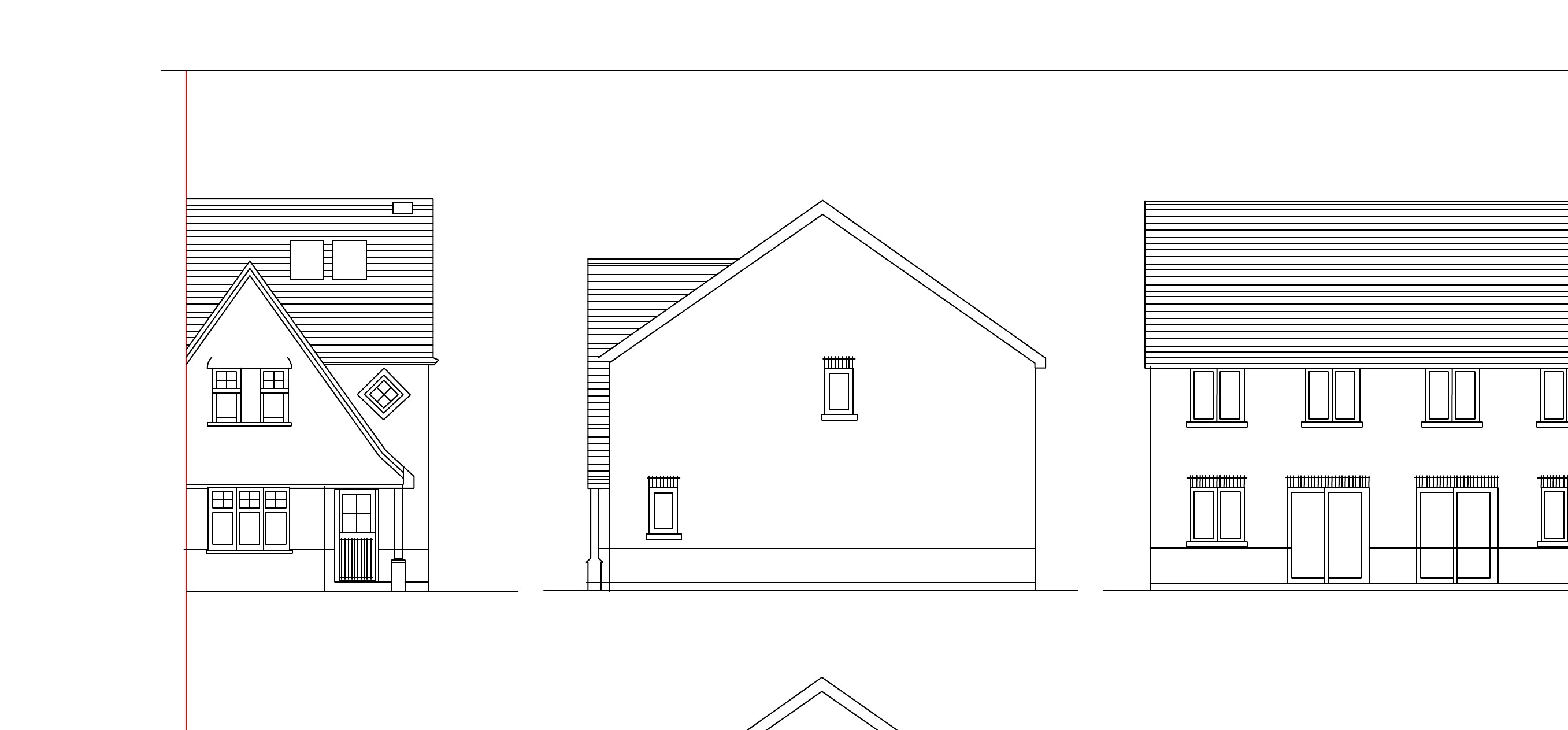
Rooflights on Conditioned Property
Three Velux rooflights installed on a property where a planning condition had removed permitted development rights. A common issue on newer estates, and a case built around proportionate design.
Read case study →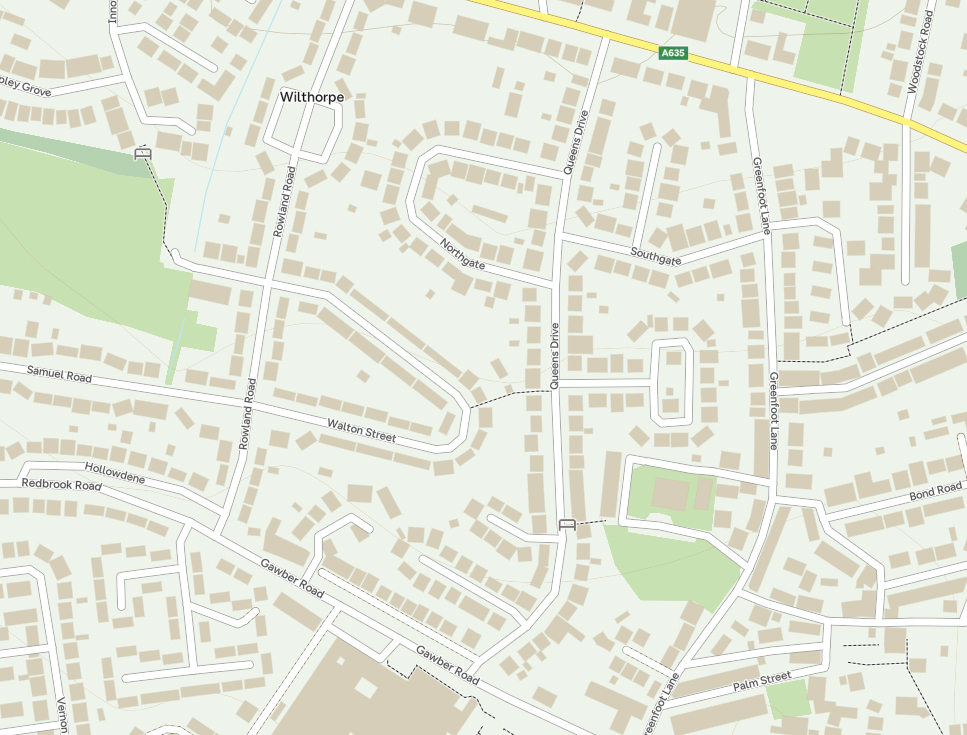
Detached Garage
A detached garage built in the rear amenity space of a terrace property, designed for secure vehicle storage and maintenance. Granted retrospective consent on amenity grounds.
Read case study →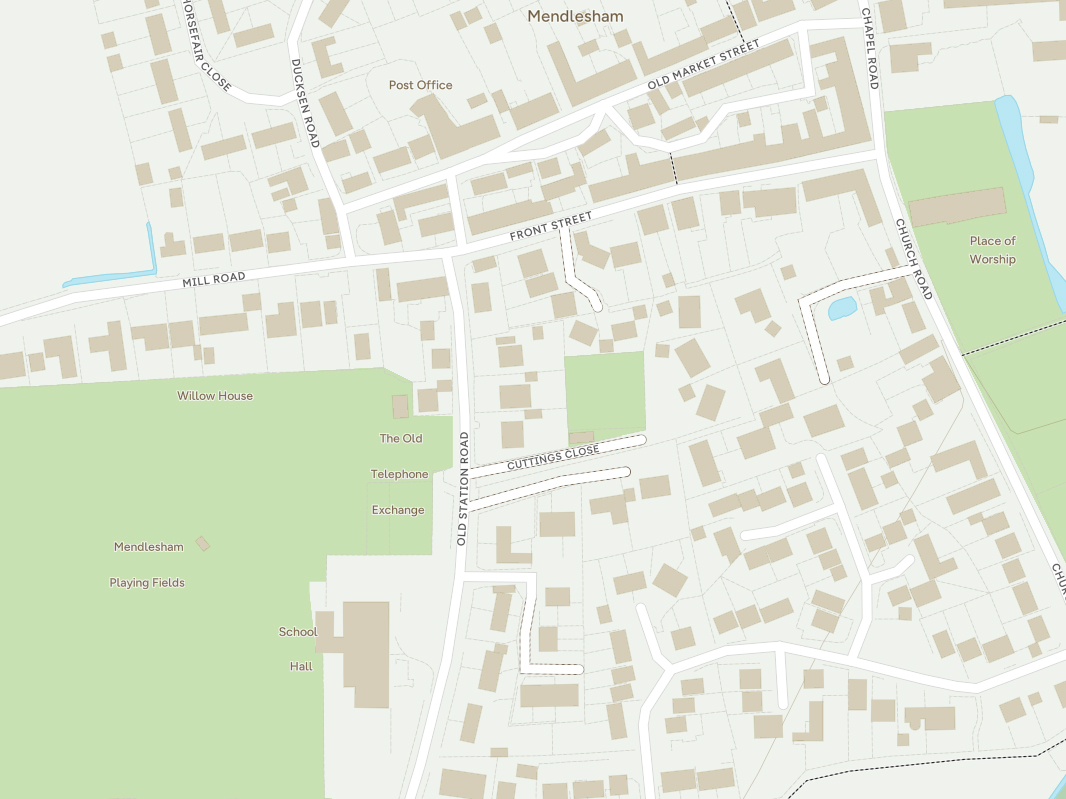
Annex to Guesthouse
A residential annex used as a short-let guesthouse without prior consent. Following an enforcement investigation, retrospective change of use to Class C1 was granted.
Read case study →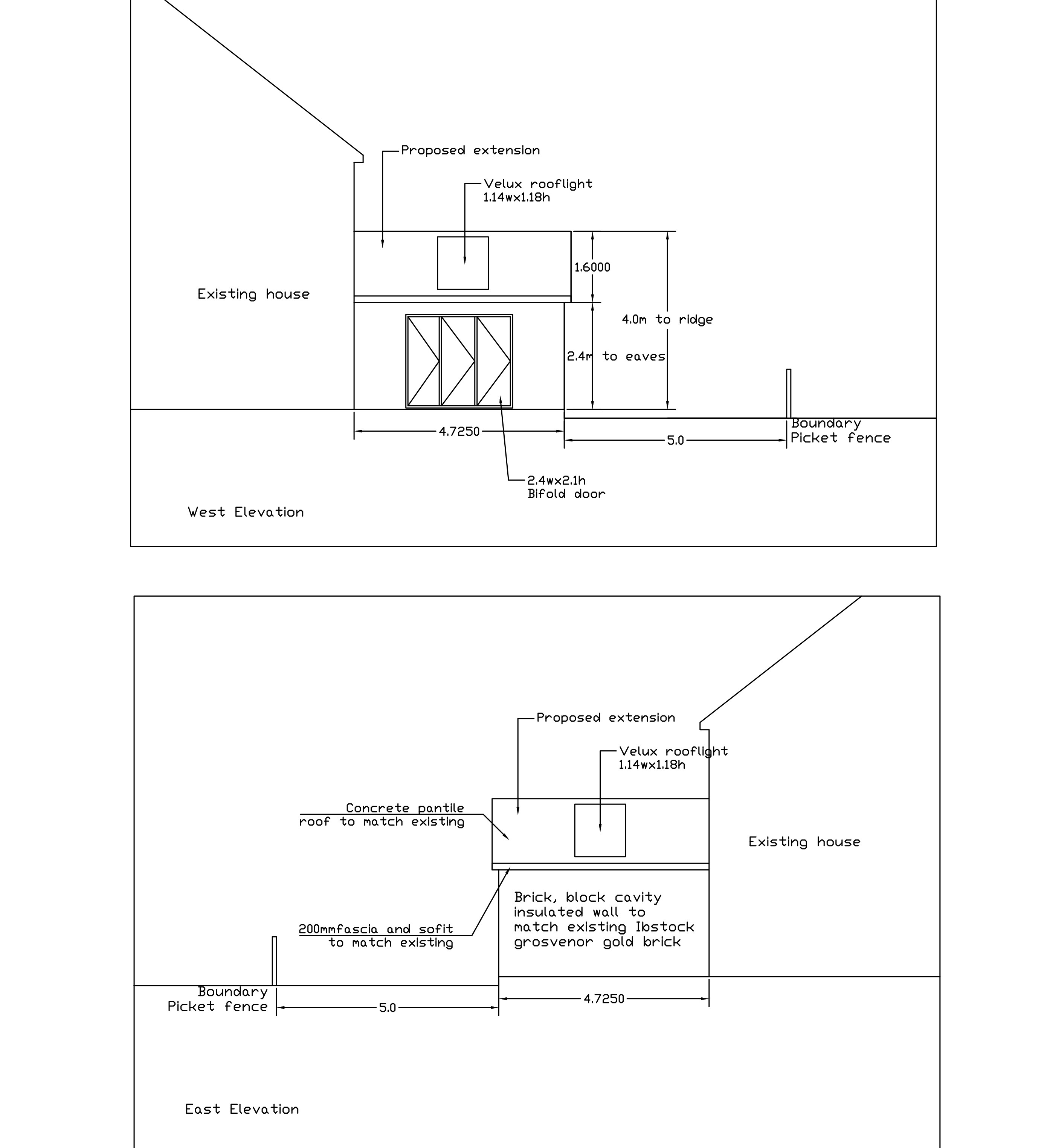
Side Extension
A previously approved side extension on a corner plot was built beyond the consented drawings, taking it outside permitted development. We prepared the retrospective application.
Read case study →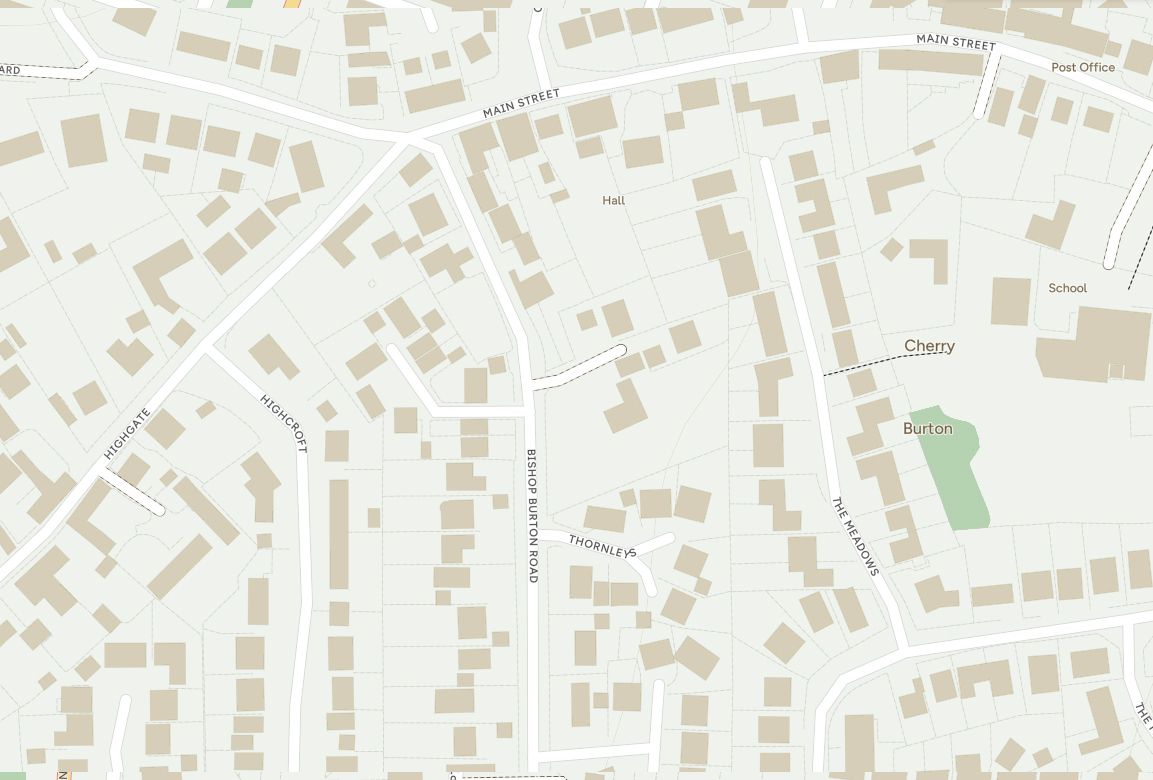
Change of Use — Pet Grooming Pod
A small home-based business refused retrospective consent over an unenforceable noise condition — not the planning merits. We identified the real issue and prepared the resubmission.
Read case study →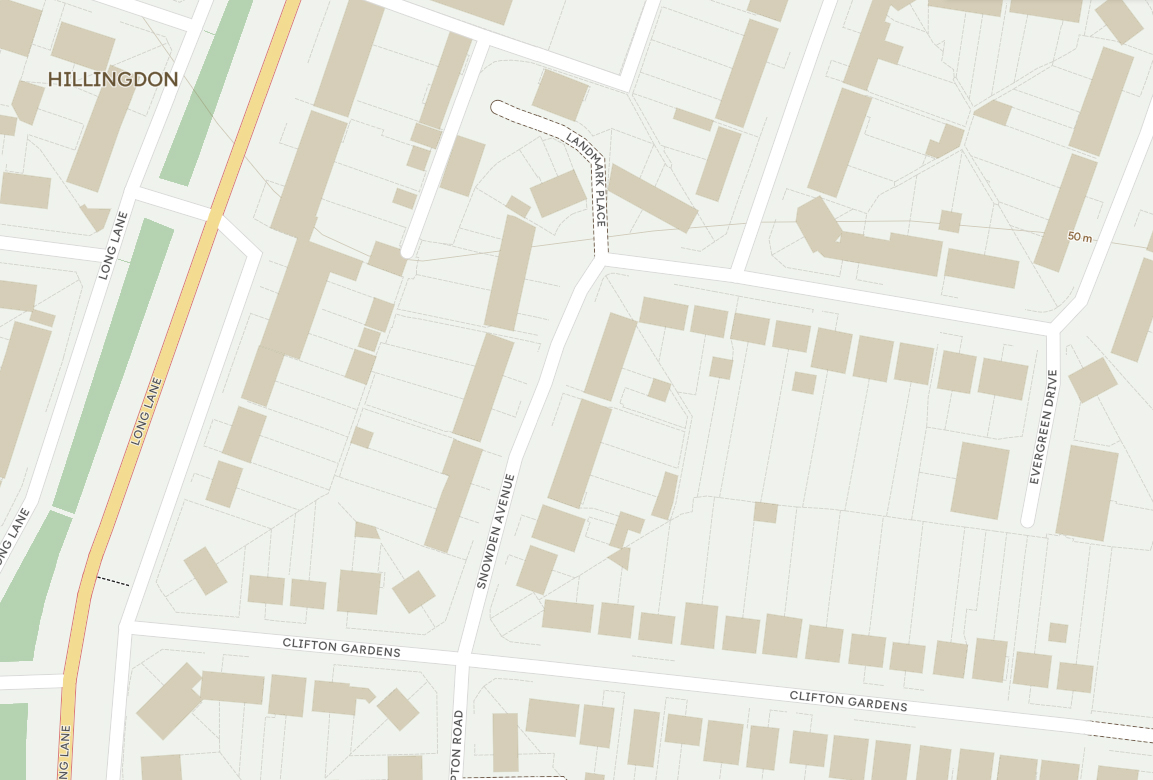
Garden Room
A garden room built in good faith, with an enforcement notice following days later. The reason lay in a condition attached to the original consent for the house itself.
Read case study →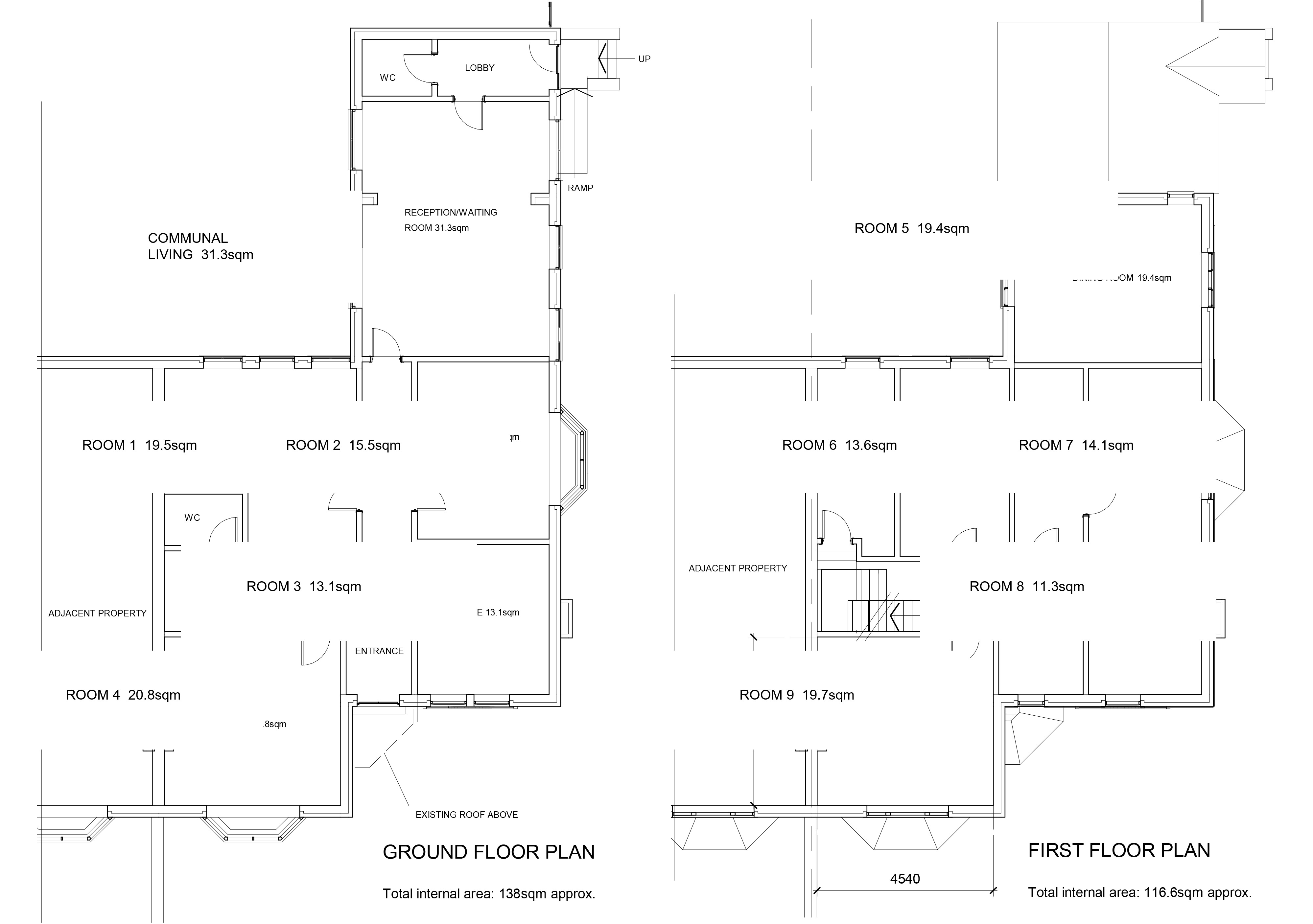
HMO Conversion
A six-bedroom shared house inside an Article 4 area, with the entire case turning on the percentage of HMOs within fifty metres — just under the 20% concentration cap.
Read case study →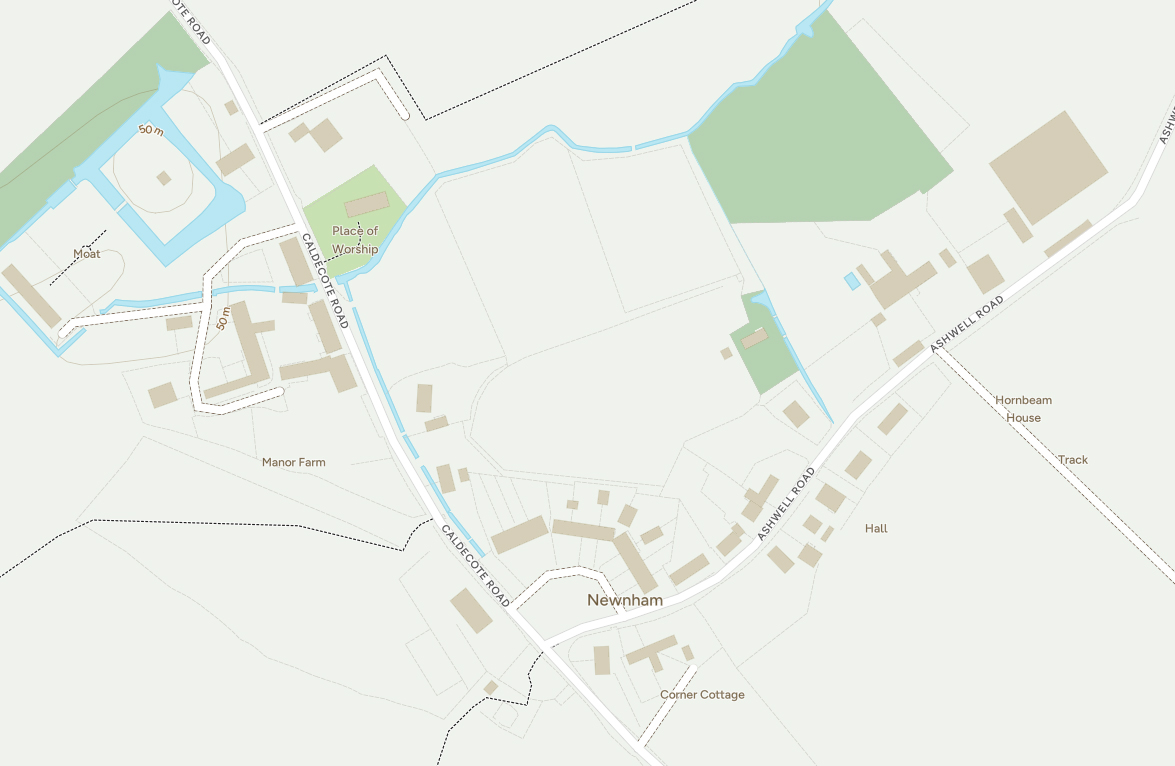
Change of Use — Retail
A landlord let a vacant betting shop as a mobile phone retailer for five years — without realising the planning use class on the council's records had never officially changed.
Read case study →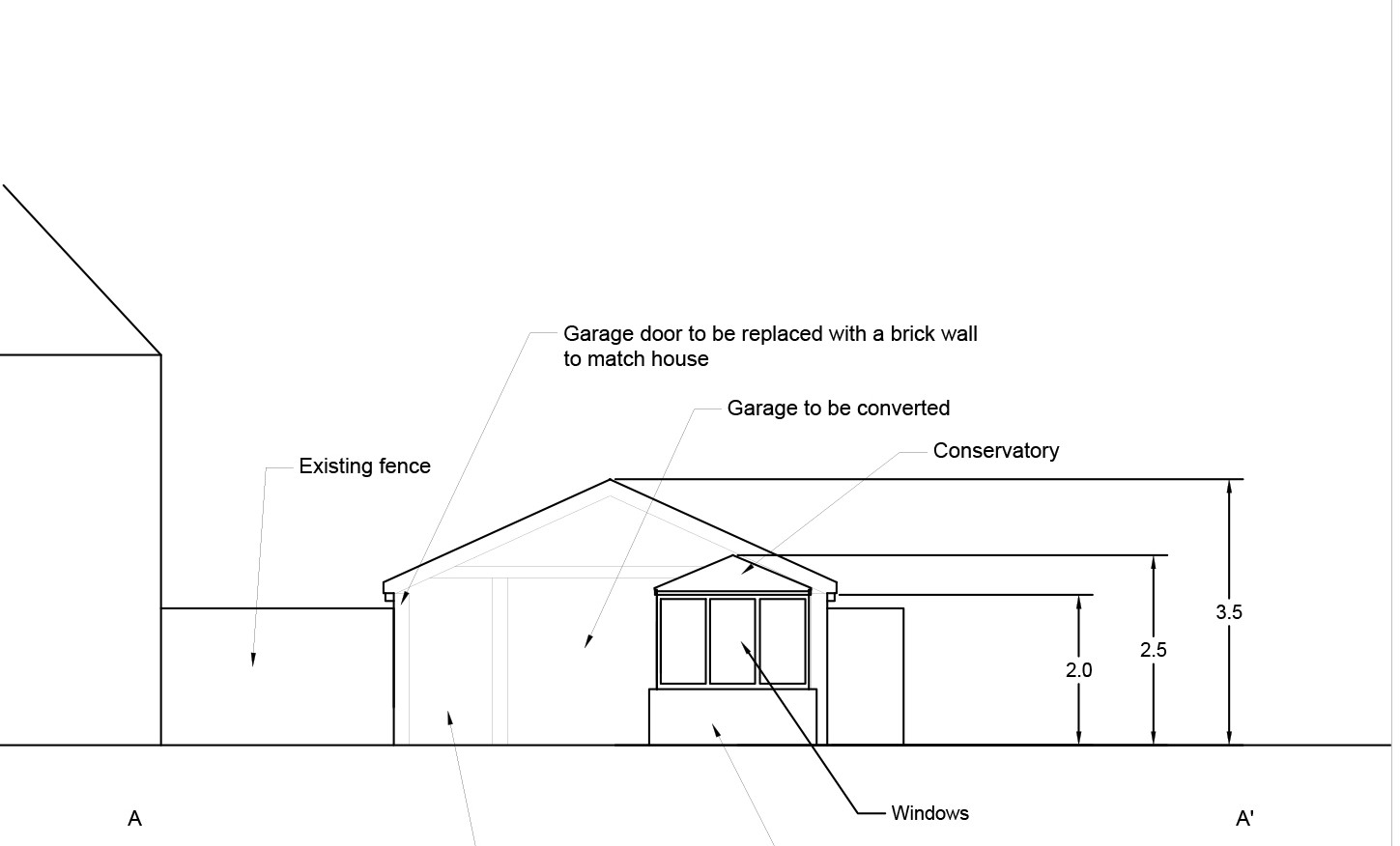
Garage Conversion
A new-build estate property had a planning condition requiring all garages to be kept for parking. The owner converted theirs regardless. We used the council's own parking standards to make the case.
Read case study →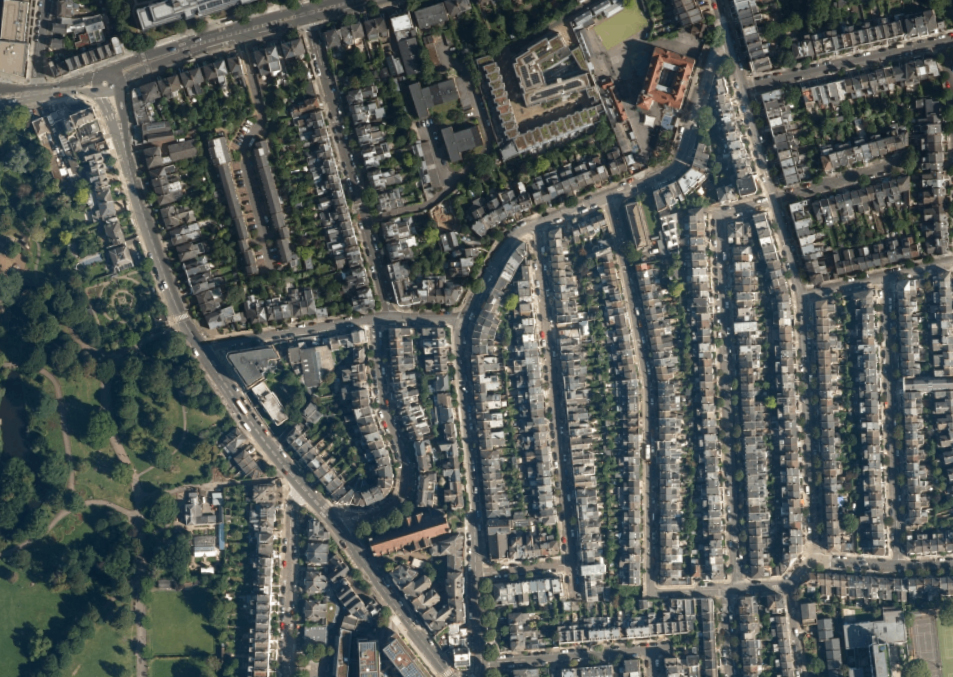
Boundary Fence
A flatted property in a London conservation area replaced an aging hedge with a higher boundary fence — and discovered that flats don't carry the same permitted development rights as houses.
Read case study →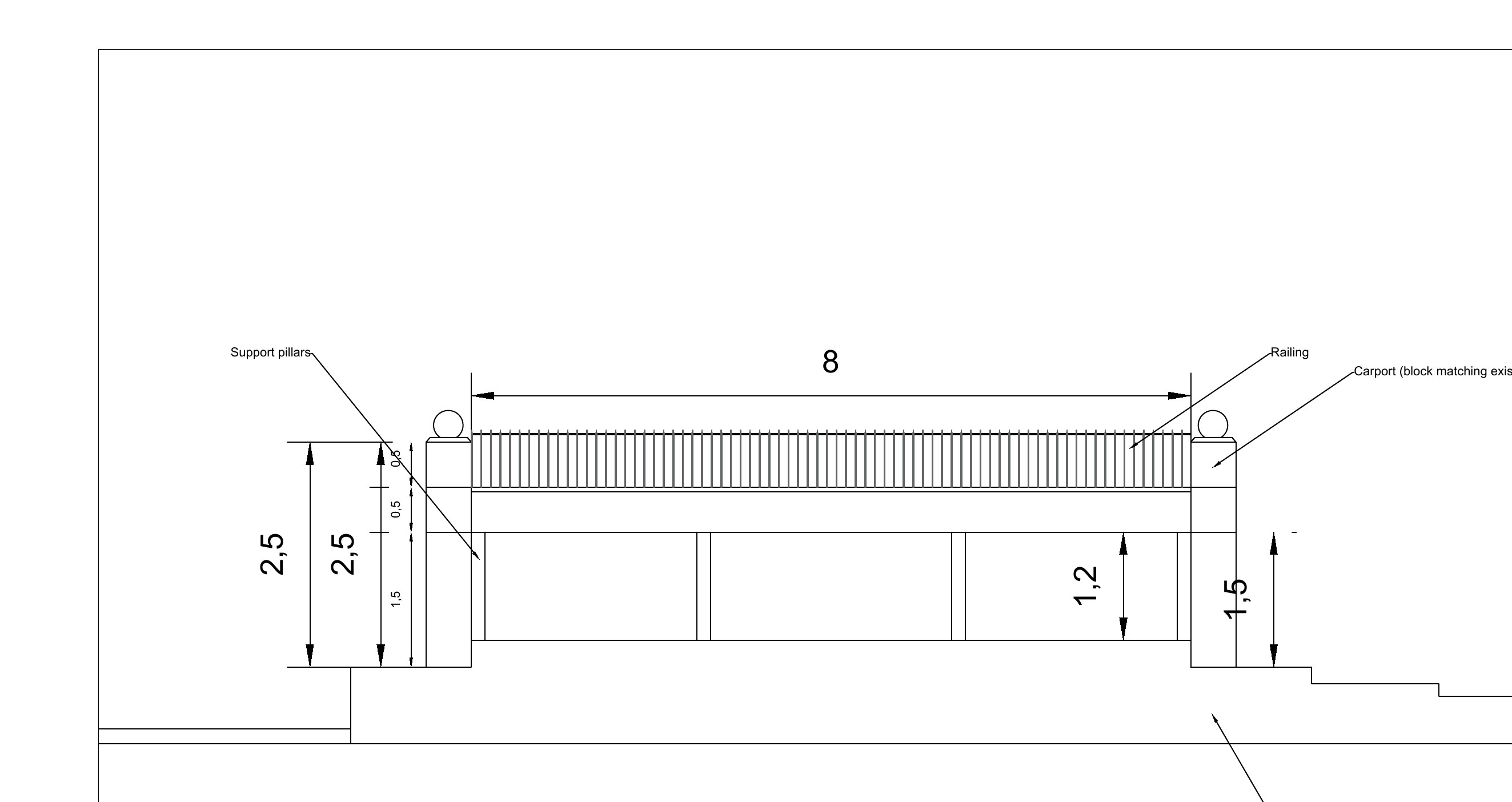
Carport at Listed Building
A replacement carport within the curtilage of a Grade II listed building, in the Green Belt and High Callerton Conservation Area. Three layers of planning constraint addressed through heritage sensitivity and precedent.
Read case study →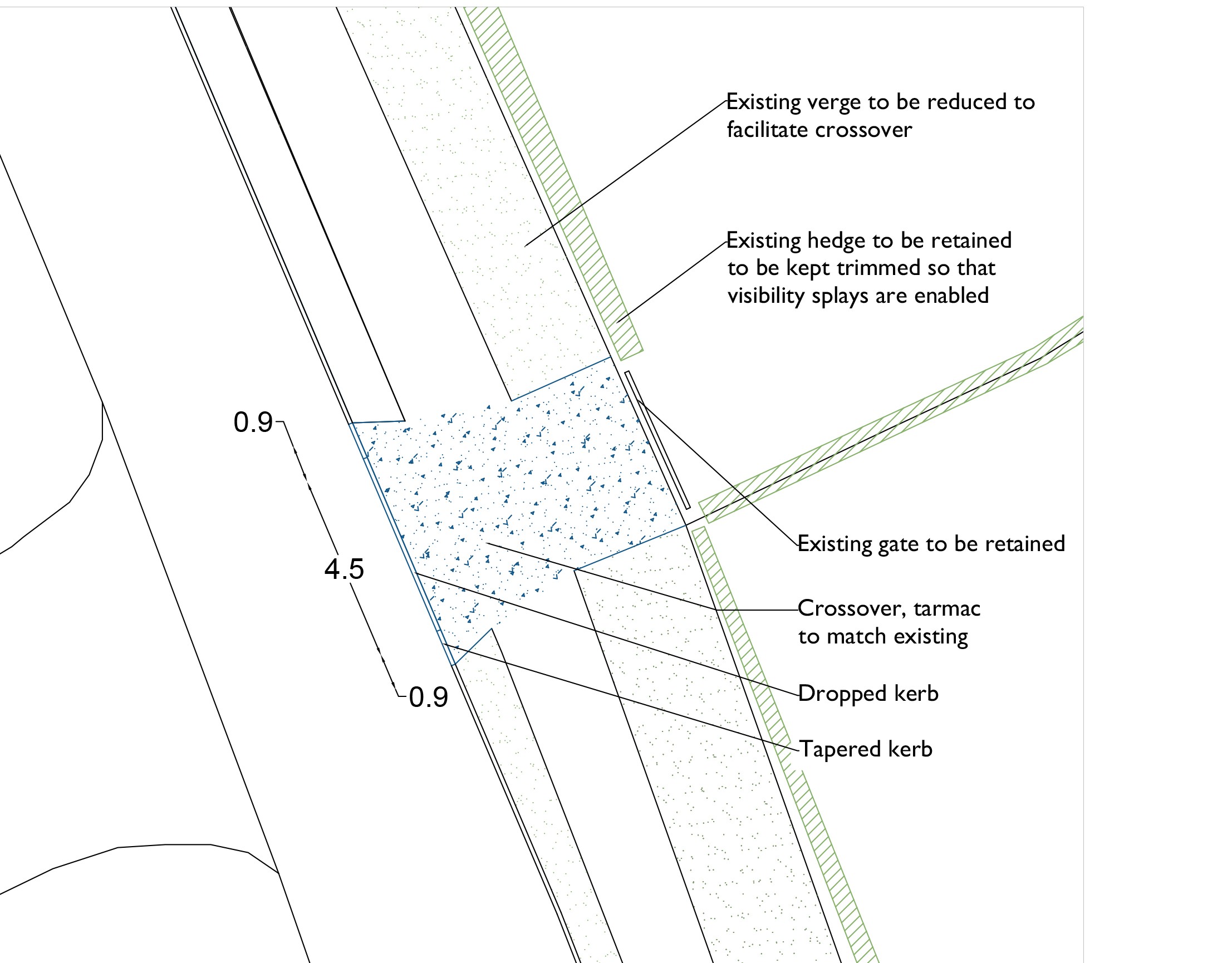
Field Access
A landowner cut a new entrance into a small rural field for vegetable plots and tree planting. A speed survey submitted with a nearby application provided the highway evidence.
Read case study →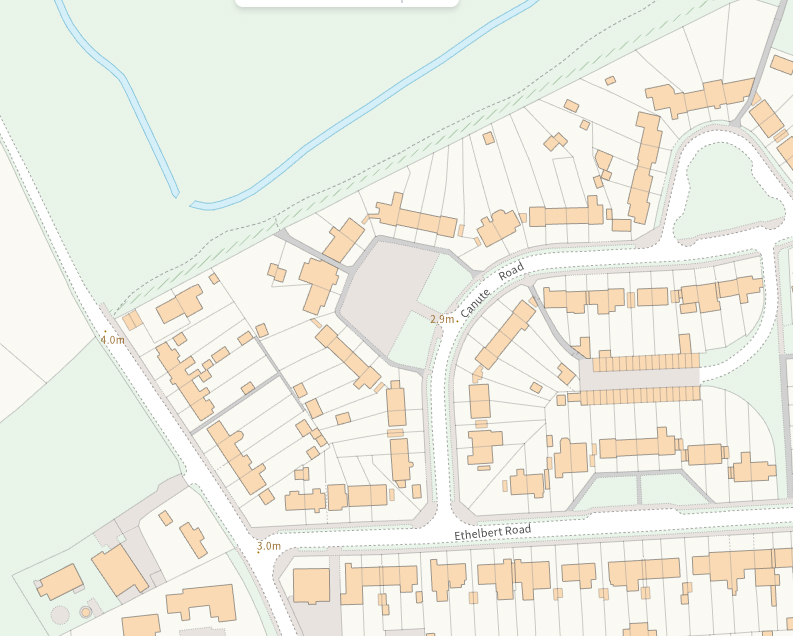
Hardstanding
A landowner extended a long-standing gravelled corner of their agricultural field to allow vehicles in and out without churning the soil. The council asked for retrospective consent.
Read case study →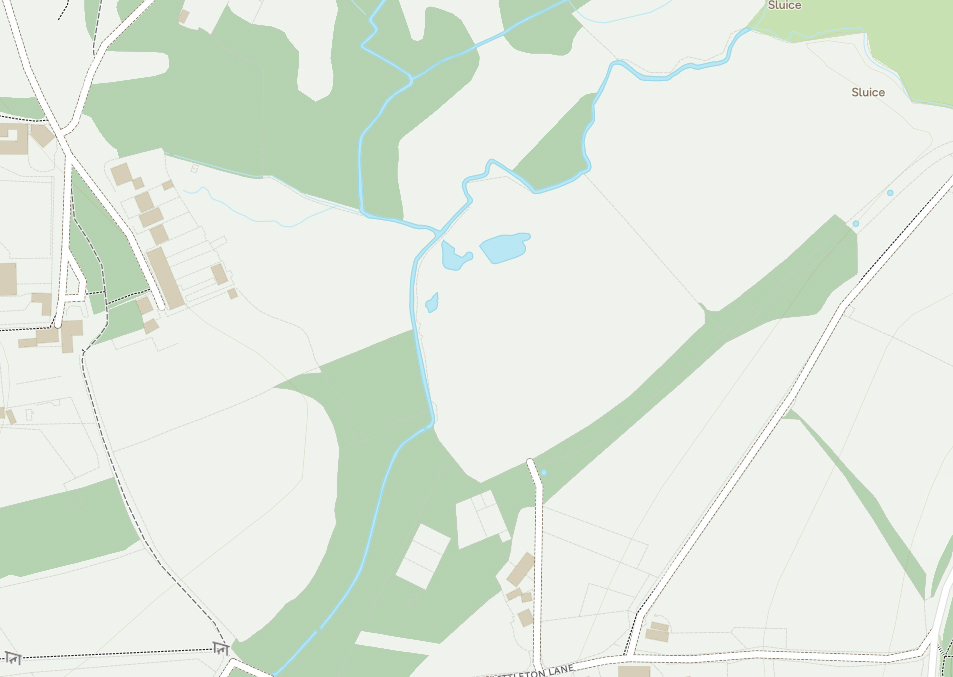
Mobile Home
A homeowner placed a mobile home next to their main dwelling on Green Belt land. One of the most restrictive areas of planning policy, and a case requiring realistic expectations.
Read case study →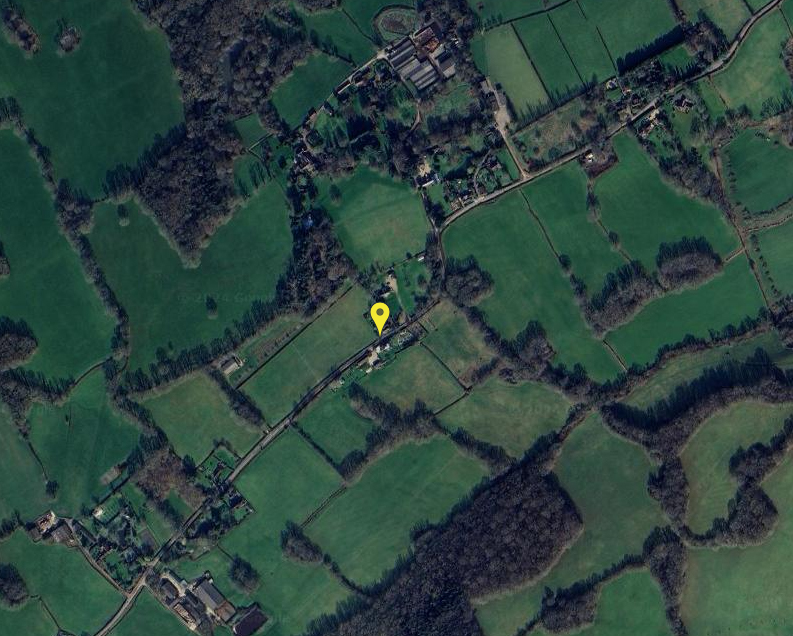
Rural Business Use
A small rural pet-care operation on agricultural land within an Area of Outstanding Natural Beauty. A demanding policy context — and the arguments that support a workable application.
Read case study →
Car Port Replacing a Failing Garage
A homeowner removed a structurally failing party-wall garage and built a car port in its place. The first application was returned as invalid — how RPE prepared a compliant resubmission.
Read case study →
Front Garden Outbuilding
A modest front-garden outbuilding for secure storage, granted retrospective consent on the basis of policy alignment, modest scale and contribution to residential quality of life.
Read case study →