Our Approach
How we work
Years inside the council
We've worked for years inside local planning departments. We know how case officers think, what justifications carry weight, and how decisions are made at delegated and committee level.
Policy-based justification
Every application is built around the Local Plan, the NPPF (2026) and material planning considerations — the grounds councils are required to take into account.
Seven working days
From instruction, we deliver the full application package — drawings, statement, supporting documents — in seven working days. This matters where an enforcement deadline applies.
All-inclusive fixed fee
One transparent price covers drawings, planning statement, application submission and ongoing agent support. No hourly billing. No mid-project surprises. £450 + VAT for householder cases, £695 + VAT for everything else.
The Process
From problem to permission, in four steps
Free assessment
Send photos and a short description. A Chartered Town Planner reviews the case and gives you a considered view on the prospects of approval — no charge, no obligation.
Confirm & pay
We confirm a fixed, all-inclusive fee in writing and send a secure payment link. Work begins immediately on receipt.
Application prepared
Within seven working days we produce your drawings, planning statement and any supporting documents — researched and written by Chartered professionals.
Submit & manage
We submit to your council and act as your planning agent throughout determination, responding to officer queries until a decision is issued.
Recent Work
Cases we've worked on
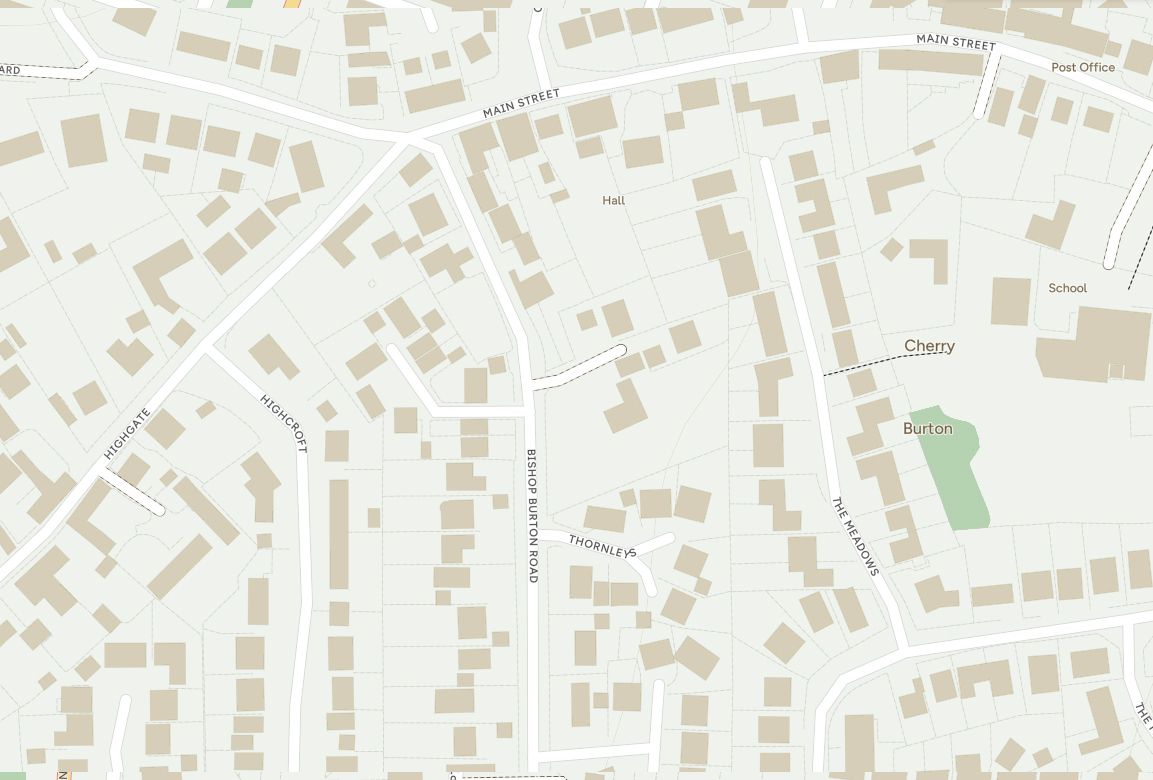
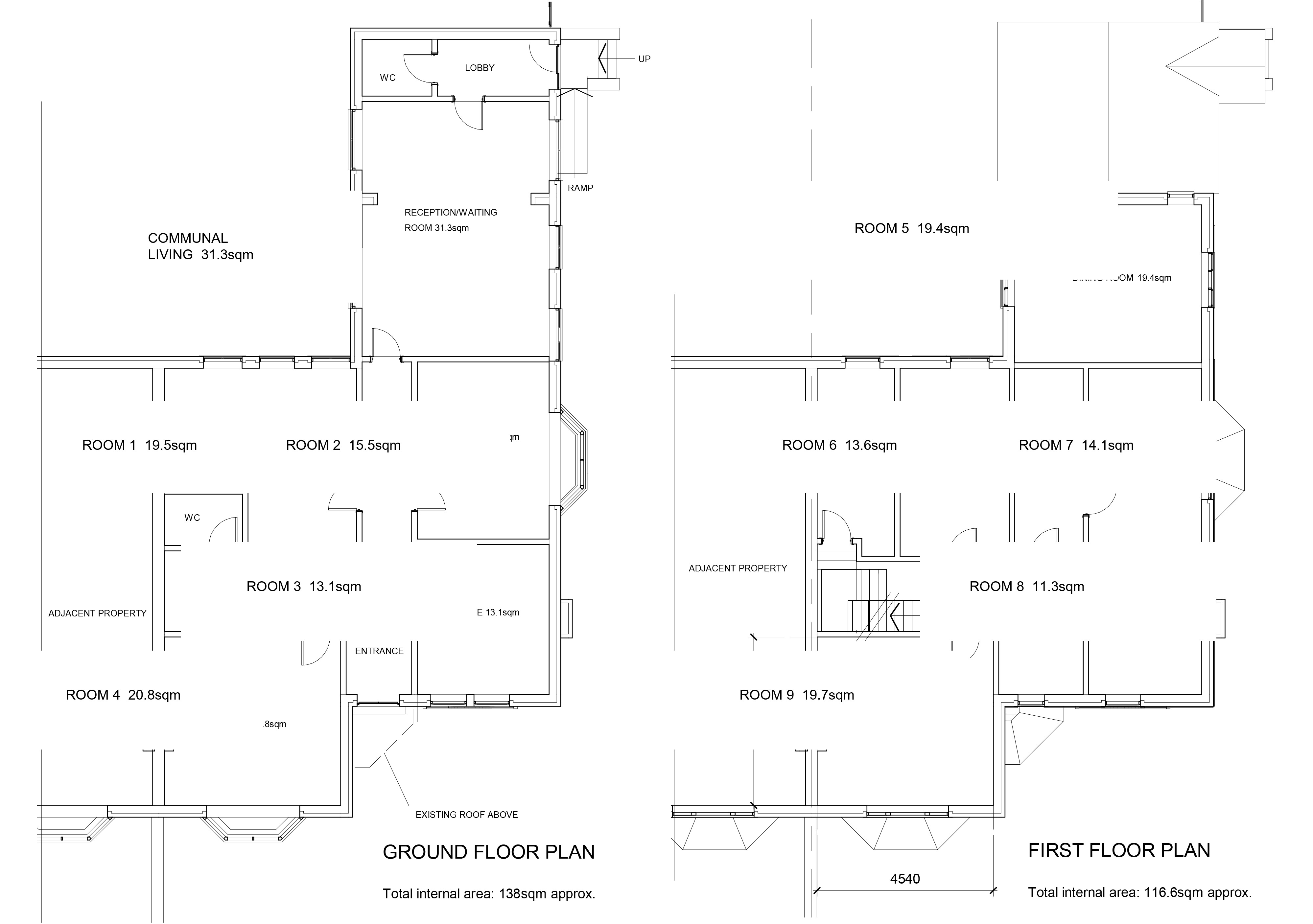
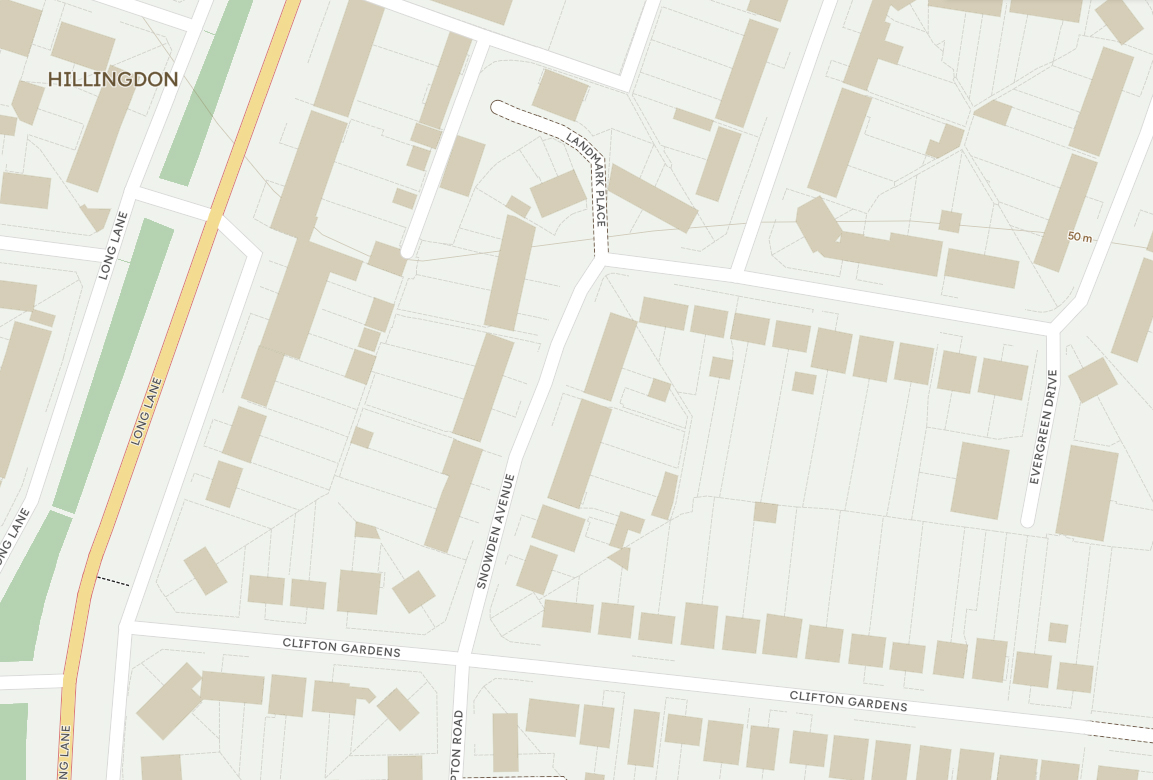
Anonymised examples of applications we have prepared. We work with homeowners, landlords and small developers across the UK.
What's Included
Everything your application needs
One fixed fee covers the complete package, including the drawings and the planning statement.
- Free initial assessment by a Chartered Town Planner
- Site analysis and review of comparable approvals
- Policy review — Local Plan and NPPF (2026)
- Full set of planning drawings (existing and proposed)
- Comprehensive planning statement with policy-based justification
- Application form completion and submission
- Ongoing planning agent support to decision
- Officer query responses and amendments where needed
Fixed fee, agreed up front
Your fee is set in writing before we begin. That is what you pay.
- £450 + VAT — householder applications
- £695 + VAT — all other applications
- No hourly billing, no mid-project hikes
- Free revisions until you are satisfied
FAQs
Common questions
Retrospective planning raises a consistent set of questions. These are the ones we are asked most often.
A well-prepared application by a Chartered Town Planner improves the prospects of approval and of resolving an enforcement matter without further escalation.
View All FAQs →Knowledge Hub
Retrospective planning guides — by Chartered Town Planners
Plain-English answers to the questions we hear most often, backed by the cases we handle every week.
August 2026 NPPF Changes: What They Mean for Retrospective Planning
The new National Planning Policy Framework introduces Policy DM8, a national policy dealing specifically with unauthorised development, retrospective applications and enforcement — including substantial weight where development is found to have been intentional.
Read the article →How Successful Is Retrospective Planning Permission?
Around 70% approved, 10% with modifications, 20% refused — and why the success rate is higher than most homeowners expect.
Read article →What Is the Time Limit for Retrospective Planning Permission?
The 4 and 10 year rule explained — including the 25 April 2024 changes under the Levelling-up and Regeneration Act 2023.
Read article →Received a Planning Enforcement Letter?
A five-step response plan from Chartered Town Planners — the notice types, the deadlines, and why most cases end in approval.
Read article →Need retrospective planning permission?
Contact us for a free, no-obligation assessment. We'll tell you whether your case is approvable — at no cost.